


-

Add: HeBei ShengShi HongBang Cellulose Technology CO.,LTD.
-

Email
13180486930@163.com -

CONTACT US
+86 13180486930
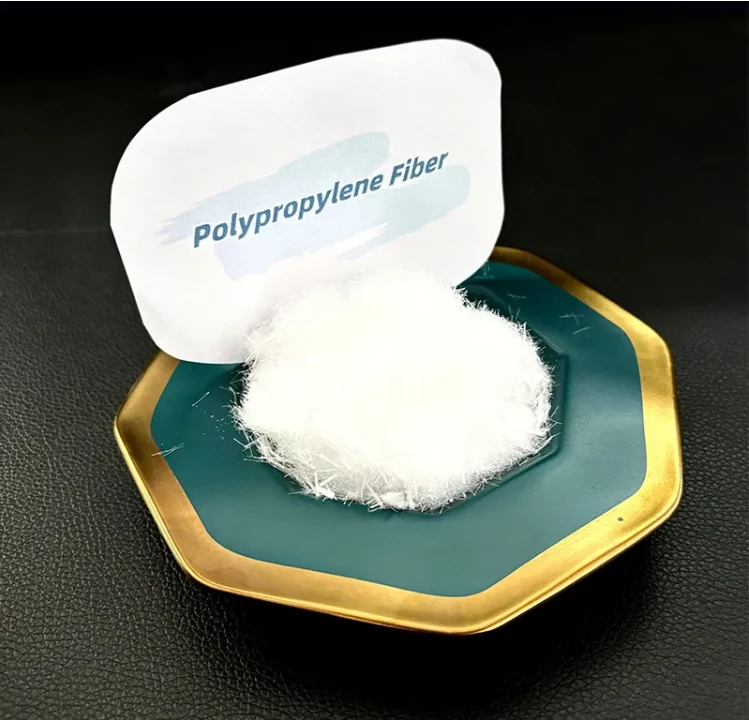


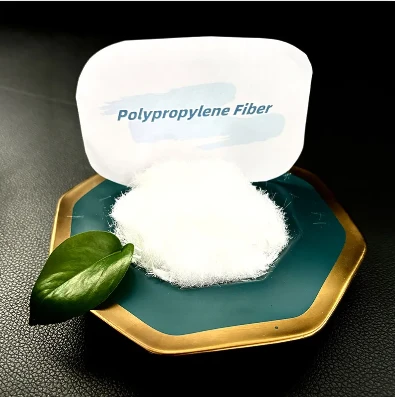
Polypropylene fiber is a key solution in the manufacturing industry, specifically within Manufacturing of building materials and Concrete admixture. This article explores how HeBei ShengShi HongBang Cellulose Technology CO.,LTD. supports professionals with durable, high-performance products, and explains why this product is an ideal choice for businesses in these sectors. Table of Contents Polypropylene Fiber Overview Benefits & Use Cases of Polypropylene Fiber in Concrete Admixture Cost, Maintenance & User Experience Sustainability & Market Trends in Manufacturing Conclusion on Polypropylene Fiber from HeBei ShengShi HongBang Cellulose Technology CO.,LTD. Polypropylene Fiber Overview In the dynamic realm of modern construction and infrastructure, the integrity and longevity of building materials are paramount. This is where polypropylene fiber emerges as a crucial additive, significantly enhancing the performance of concrete. As a microfiber synthetic solution, it plays a vital role across the entire manufacturing supply chain, particularly within the Manufacturing of building materials sector, and more specifically in Concrete admixture applications. These fibers are meticulously engineered to disperse uniformly throughout the concrete matrix, acting as a microscopic reinforcement system. When mixed into fresh concrete, pp fiber helps to mitigate plastic shrinkage cracking, which is a common issue during the curing process. Its technical specifications typically include varying lengths and diameters, tailored to specific application demands, offering excellent chemical resistance, non-corrosive properties, and high tensile strength. HeBei ShengShi HongBang Cellulose Technology CO.,LTD. stands as a reliable manufacturer, providing high-quality polypropylene fibre solutions that meet rigorous industry standards, ensuring superior performance for your concrete projects. Benefits & Use Cases of Polypropylene Fiber in Concrete Admixture The integration of polypropylene fiber into concrete mixtures offers a myriad of benefits, making it an indispensable component in many Concrete admixture applications. Its primary function is to provide multi-directional reinforcement, effectively controlling and reducing the formation of micro-cracks that occur during plastic settlement and drying shrinkage. This leads to significantly enhanced durability and improved service life for concrete structures. Specific applications are wide-ranging and include slabs-on-grade, industrial flooring, precast concrete elements, shotcrete, pavements, and overlays. The inclusion of pp fiber concrete also boosts impact resistance, abrasion resistance, and freeze-thaw durability, crucial for structures exposed to harsh environmental conditions. Compared to traditional reinforcement methods, microfiber synthetic solutions like ours are easier to mix and distribute, ensuring a more consistent and robust final product. HeBei ShengShi HongBang Cellulose Technology CO.,LTD. possesses extensive expertise in developing and supplying premium polypropylene fibre tailored for these demanding applications, ensuring that our clients achieve optimal structural performance and longevity. Cost, Maintenance & User Experience While the initial cost of integrating polypropylene fiber might be a consideration, the total cost of ownership (TCO) reveals a compelling return on investment (ROI) for B2B decision-makers in the Manufacturing of building materials sector. By significantly reducing plastic shrinkage cracking and enhancing the overall durability of pp fiber concrete , the need for costly repairs and maintenance over the lifespan of the structure is dramatically minimized. Our polypropylene fibre concrete results in fewer defects and an extended service life, translating directly into long-term savings. Feedback from our customers consistently highlights the ease of integration and the tangible improvements in concrete performance. Users report excellent workability with our microfiber synthetic products, experiencing smooth mixing and placement without compromising the concrete’s rheology. Furthermore, the enhanced resistance to impact and abrasion means that surfaces remain aesthetically pleasing and structurally sound for longer, a critical factor for facilities and infrastructure where appearance and safety are paramount. HeBei ShengShi HongBang Cellulose Technology CO.,LTD. is committed to delivering products that not only perform exceptionally but also offer true economic value. Sustainability & Market Trends in Manufacturing In today's global manufacturing landscape, sustainability is no longer an option but a necessity. The adoption of polypropylene fiber in concrete admixture aligns perfectly with the drive towards more sustainable building practices. By extending the lifespan of concrete structures and reducing the incidence of early-age cracking, pp fiber concrete contributes to resource efficiency, as less material needs to be repaired or replaced over time. This reduces the carbon footprint associated with maintenance and new construction. The market trend in the Manufacturing of building materials points towards high-performance, durable, and environmentally responsible solutions. Regulatory frameworks are increasingly emphasizing product longevity and reduced environmental impact, making polypropylene fibre an increasingly attractive option. HeBei ShengShi HongBang Cellulose Technology CO.,LTD. is proud to be a forward-thinking and eco-conscious supplier, continually innovating our microfiber synthetic products to meet these evolving demands. We are dedicated to supporting our partners in achieving their sustainability goals while delivering uncompromising quality and performance. Conclusion on Polypropylene Fiber from HeBei ShengShi HongBang Cellulose Technology CO.,LTD. The strategic incorporation of polypropylene fiber is undeniably a smart investment for any entity operating within the manufacturing of building materials, especially in Concrete admixture. From its unparalleled ability to control plastic shrinkage cracking and enhance durability to its contributions to sustainable construction, pp fiber concrete offers a distinct competitive advantage. HeBei ShengShi HongBang Cellulose Technology CO.,LTD. is renowned for its commitment to quality, innovation, and customer satisfaction, providing top-tier polypropylene fibre solutions that empower businesses to build stronger, more resilient structures. Choose our advanced microfiber synthetic products to ensure your projects stand the test of time and deliver exceptional long-term value. Partner with us to elevate your concrete performance. Contact us: email: 13180486930@163.com Visit our website: https://www.sshbhpmc.com
- 40000tons

Production
- 20+years

Experience
- 5000+㎡

Acreage

-
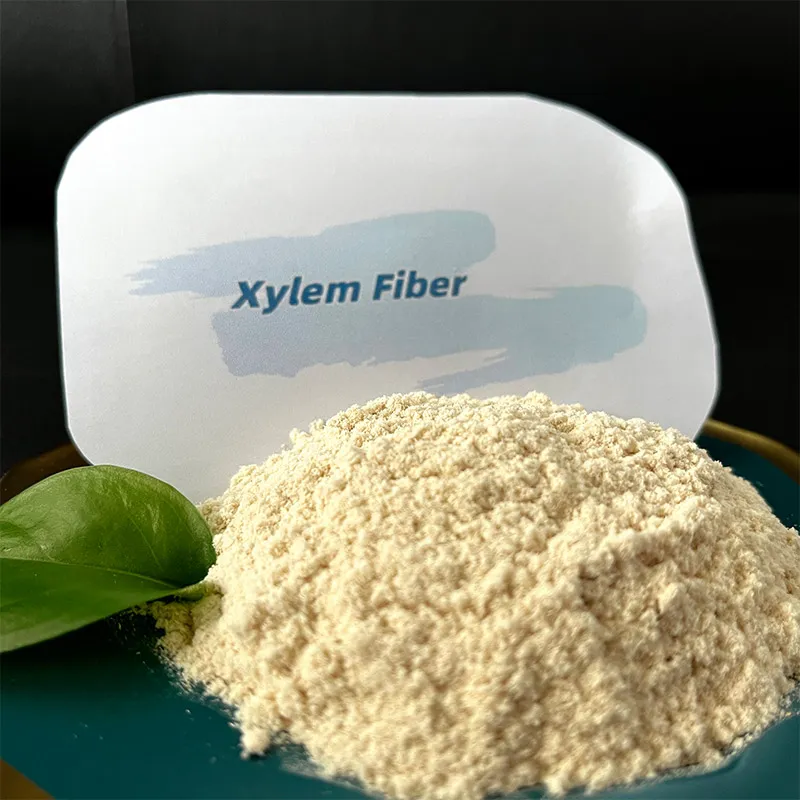
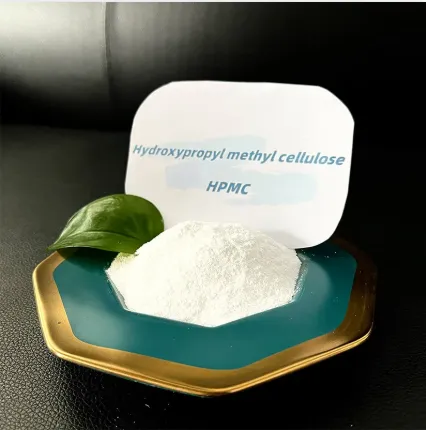
Methocel HPMC, scientifically known as Hydroxypropyl Methylcellulose, is a versatile ingredient renowned for its multifaceted applications across industries. Recognized for its unique binding and thickening properties, Methocel HPMC serves as a pivotal component in both food products and pharmaceutical formulations. As a product expert with years of experience in the field, I can attest to the transformative impact Methocel HPMC has had on product development. Within the pharmaceuticals industry, Methocel HPMC is celebrated for its role in creating controlled-release formulations. This polymer acts as an integral matrix former, helping to deliver active ingredients consistently over a designated period. Such consistency ensures that patients receive the correct dosage without the fluctuations common in immediate-release formulations. My collaborations with pharmaceutical developers have revealed that Methocel HPMC not only enhances the efficacy of active compounds but also improves patient compliance by reducing dosing frequency, which is a vital consideration in chronic disease management. Transitioning to the food industry, Methocel HPMC is prized for its emulsifying and stabilizing capabilities. It plays a crucial role in products like sauces and dressings, where maintaining an even texture is paramount. During my work with food technologists, I've observed that Methocel HPMC’s ability to retain moisture and improve shelf stability addresses common industry challenges such as phase separation. This improved product integrity translates to enhanced consumer satisfaction as products maintain their intended taste and consistency. From an expert lens, the safety profile of Methocel HPMC strengthens its authority in various markets. Extensively vetted by regulatory agencies, including the FDA and EFSA, this ingredient meets rigorous safety standards, reassuring manufacturers and consumers alike. In my consultations with regulatory compliance teams, the consistent safety approvals for Methocel HPMC have often facilitated smoother product registrations across global markets, providing a competitive edge to businesses looking to expand internationally. methocel hpmc Trust in Methocel HPMC is further bolstered by its sustainable sourcing and production processes . Derived from cellulose, a naturally occurring polymer, Methocel HPMC aligns with current sustainability trends in consumer goods production. Leading companies are increasingly prioritizing eco-friendly ingredients, and Methocel HPMC’s biodegradable nature fits seamlessly into these initiatives. I have seen first-hand how brands that leverage Methocel HPMC can authentically strengthen their sustainability narratives, thereby enhancing their market positioning. As a testament to its enduring reliability, research and development continue to explore new applications for Methocel HPMC. Innovations such as its use in plant-based food products, owing to its non-animal origin, open doors to burgeoning markets. My interactions with R&D teams have illuminated Methocel HPMC’s potential to revolutionize not just existing products but also to create entirely new market segments driven by consumer demand for plant-based alternatives. In conclusion, Methocel HPMC’s combination of efficacy, safety, and sustainability makes it an indispensable tool for innovators in the pharmaceutical and food industries. Its ability to balance product performance with market needs underscores its continual relevance. For businesses striving to meet modern consumer expectations while maintaining a competitive advantage, incorporating Methocel HPMC could prove to be a strategic masterstroke.
-
In the realm of pharmaceuticals, HPMC stands for Hydroxypropyl Methylcellulose, a compound indispensable to the formulation processes within the industry. Renowned for its multifaceted applications, HPMC is primarily utilized as an excipient — a substance formulated alongside the active ingredient of a medication. Its role extends beyond mere filler, showcasing an impressive array of functionalities that facilitate product development, ensure quality, and enhance therapeutic effectiveness. Born from cellulose, the most abundant organic polymer on Earth, HPMC emerges through a sophisticated chemical modification process. This modification bestows upon it unique properties such as water solubility, high viscosity, and a non-toxic nature. These characteristics make HPMC a critical ingredient in a diverse array of pharmaceutical products, from tablets and capsules to ophthalmic solutions and topical applications. One of the key benefits of HPMC in tablet formulation is its function as a disintegrant. In the human body, tablets must break down into smaller particles to assure the bioavailability of the drug. HPMC facilitates this process . It swells upon contact with water, helping the tablet to disintegrate promptly, speeding up the release and absorption of the active pharmaceutical ingredient (API). This efficiency enhances the drug’s effectiveness and reliability, a crucial factor in patient satisfaction and trust in pharmaceutical products. Additionally, HPMC acts as a controlled-release agent. In sustained release formulations, HPMC matrices regulate the rate at which the API is dispensed into the system, providing a consistent therapeutic effect over an extended period. This not only maximizes the efficacy of the medication but also improves patient compliance by reducing the frequency of doses required per day. In capsule production, HPMC is celebrated as a vegan alternative to gelatin. Increasingly, consumers are demanding plant-based options in their medicinal products, and HPMC serves this niche perfectly. It forms the backbone of non-animal-based capsules, ensuring that users adhering to vegan lifestyles or with dietary restrictions have access to safe and compliant pharmaceutical options. hpmc full form in pharma Beyond oral medications, HPMC's significance extends to topical pharmaceuticals. Its thickening and stabilizing attributes are particularly beneficial in creams and gels, ensuring the even distribution of the active substances across the applied surface area. In eye drops, HPMC's mucoadhesive properties prolong the retention time of the drops on the ocular surface, maximizing therapeutic contact time and enhancing patient comfort. Backed by comprehensive testing and approval from health regulatory bodies worldwide, HPMC is acknowledged as a safe and effective compound. Preclinical trials consistently affirm its biocompatibility and non-toxic nature, key attributes that bolster its standing as a preferred excipient in the pharmaceutical industry. Industry experts consistently highlight HPMC's versatility and reliability. Dr. Elaine Baxter, a leading pharmaceutical scientist, notes, The adaptability of HPMC in responding to varied formulation needs is unparalleled. It allows for innovation in drug delivery systems, paving the way for more personalized and effective therapies. As the pharmaceutical landscape evolves towards personalized medicine, the importance of excipients like HPMC is amplified. It plays a crucial role not only in the development of current oral, ophthalmic, and topical therapies but also blazes the trail for future innovations in drug delivery technologies. Researchers are actively exploring its potential in developing nanoparticles and 3D-printed medications, which could revolutionize how we perceive and administer treatments. In conclusion, HPMC's full form — Hydroxypropyl Methylcellulose — signifies much more than its name suggests. It embodies innovation in pharmaceutical formulation, providing expertise and reliability that underscore the efficacy and safety of countless medicinal products. Its diverse applications furnish the pharmaceutical industry with a tool that enhances product development, meets evolving consumer demands, and ultimately, manifests in therapeutic trustworthiness and authority.
advantages
-

200000 Viscosities
Excellent product
We can produce pure products up to 200,000 viscosities
-

40000 tons
High yield
We don’t stop production all year round, and the annual output can reach 40,000 tons
-

24 hours
Quality service
We provide 24-hours online reception service, welcome to consult at any time
———— Inquiry Form
Schedule A services

-
 macro_synthetic_fiber_reinforced_concrete
Oct . 25, 2025
Understanding HPMC Adhesive for Tiles An In-Depth Overview Tile installation is a critical aspect of -
 apa_itu_serat_polipropilen
Oct . 25, 2025
When exploring the vast world of pharmaceutical and construction materials, one cannot ignore the co -
 poudre_de_polymere
Oct . 25, 2025
As industries evolve, innovative materials like chlorinated rubber powder are revolutionizing manufa


